






Comprehensive Guide to Diabetes Treatment in Ahmedabad
February 4, 2025
Dr. Maunil Shah Achieves Air Medical Transport Certification (CAMATA/ACMATA)
April 2, 2025
How Smoking Damages Your Heart and Increases Heart Disease Risk
Smoking remains one of the leading causes of heart disease and death worldwide. The harmful chemicals in cigarette smoke not only damage your lungs but also significantly affect your heart and blood vessels. Regular smoking increases your risk of heart attacks, strokes, high blood pressure, and other cardiovascular diseases.
The good news is — quitting smoking can dramatically reduce your risk of heart disease. Research shows that within just 12 months of quitting, your risk of heart disease drops by 50%. Over time, your heart and blood vessels begin to heal, improving your overall cardiovascular health.
In this blog, we’ll break down how smoking affects your heart, the long-term health risks, and practical steps to quit smoking.
How Smoking Affects Your Heart and Blood Vessels
1. Blood Vessel Damage and Atherosclerosis
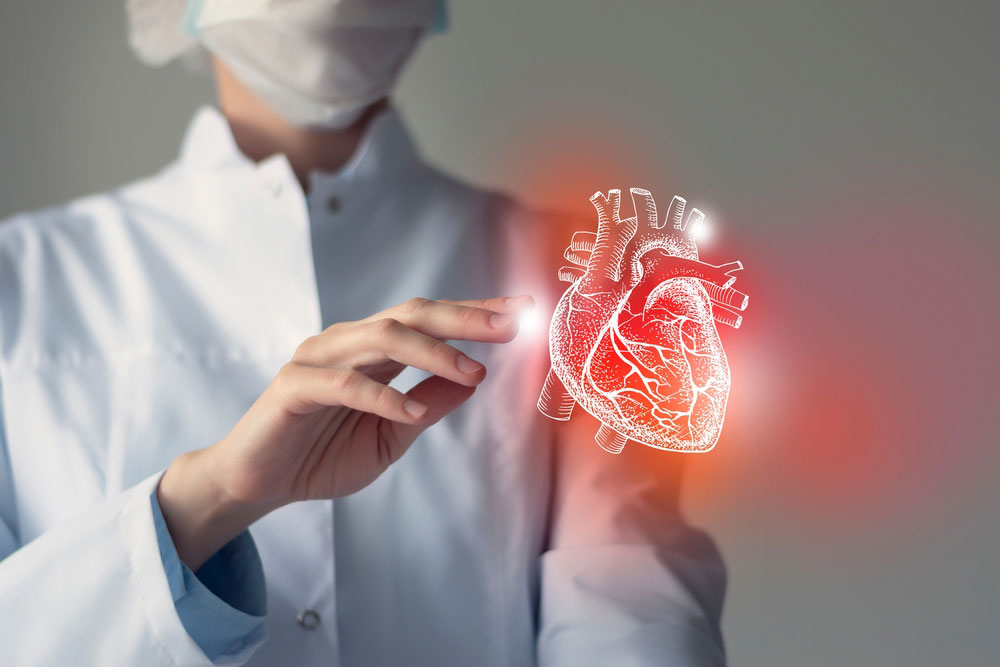
The chemicals in cigarette smoke, especially nicotine and carbon monoxide, cause inflammation in the blood vessels. Over time, this inflammation leads to atherosclerosis — a condition where fatty deposits (plaque) build up inside your arteries. This narrows your arteries, reducing blood flow to the heart, causing chest pain (angina) or even a heart attack.
✅ Fact: Smokers are 2-4 times more likely to develop heart disease compared to non-smokers.
2. Increased Blood Pressure and Heart Strain
Nicotine in cigarettes causes temporary narrowing of blood vessels, which forces your heart to work harder to pump blood. This leads to:
- Increased heart rate
- High blood pressure (hypertension)
- Heart muscle strain
Over time, chronic smoking can lead to permanent heart damage or heart failure.
3. Reduced Oxygen Supply to the Heart
Carbon monoxide from cigarette smoke binds with hemoglobin in your blood, reducing the oxygen supply to vital organs, especially the heart. This makes your heart work harder, increasing the risk of heart attacks, strokes, and heart failure.
4. Increased Blood Clot Formation
Smoking increases the stickiness of platelets in your blood, promoting blood clot formation. This increases the risk of blood clots blocking arteries, causing heart attacks or strokes.
5. Unhealthy Cholesterol Levels
Smoking negatively affects your cholesterol profile by:
- Increasing bad LDL cholesterol
- Lowering good HDL cholesterol
- Raising triglyceride levels
This imbalance increases plaque buildup, contributing to heart disease.
✅ Did you know? After quitting smoking, your good cholesterol (HDL) starts to improve within just a few weeks.
Health Risks of Smoking Beyond the Heart
1. Lung Disease and Cancer
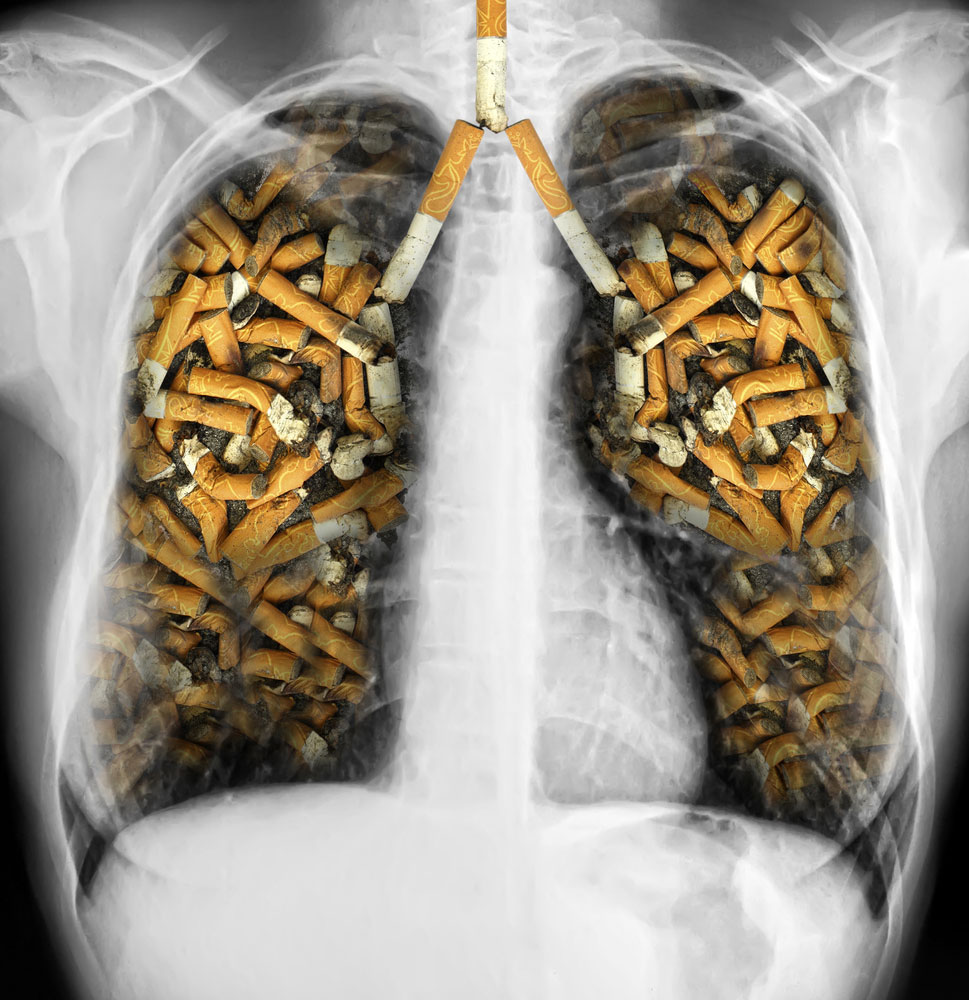
Smoking is the primary cause of lung cancer and chronic obstructive pulmonary disease (COPD). Long-term smoking leads to reduced lung function, making it harder to breathe and increasing your risk of respiratory infections.
2. Stroke and Brain Health
Smoking damages the blood vessels in the brain, increasing the risk of:
- Ischemic stroke (caused by blocked arteries)
- Aneurysms (weakened blood vessels)
- Vascular dementia (memory loss due to poor blood flow)
3. Increased Cancer Risk
Cigarette smoke contains over 7,000 chemicals, many of which are carcinogenic (cancer-causing). Smoking significantly increases the risk of cancer in:
- Lungs
- Mouth and throat
- Esophagus and stomach
- Pancreas, kidneys, and liver
4. Weakened Immune System
Smoking lowers your immune response, making you more vulnerable to:
- Infections (like pneumonia)
- Delayed wound healing
- Increased risk of autoimmune diseases
5. Reproductive Health Challenges
Smoking negatively impacts fertility in both men and women. It can cause:
- Reduced sperm count and motility in men
- Complications during pregnancy in women
- Increased miscarriage risk
Benefits of Quitting Smoking for Heart Health
The moment you quit smoking, your body begins to heal itself. Here’s what happens after quitting:
| Time After Quitting | Health Benefit |
|---|---|
| 20 minutes | Heart rate and blood pressure normalize |
| 12 hours | Carbon monoxide levels drop, improving oxygen supply |
| 1 year | Heart disease risk drops by 50% |
| 5 years | Stroke risk significantly reduces |
| 10 years | Lung cancer risk drops by 50% |
| 15 years | Heart disease risk is similar to a non-smoker |
Practical Steps to Quit Smoking Successfully
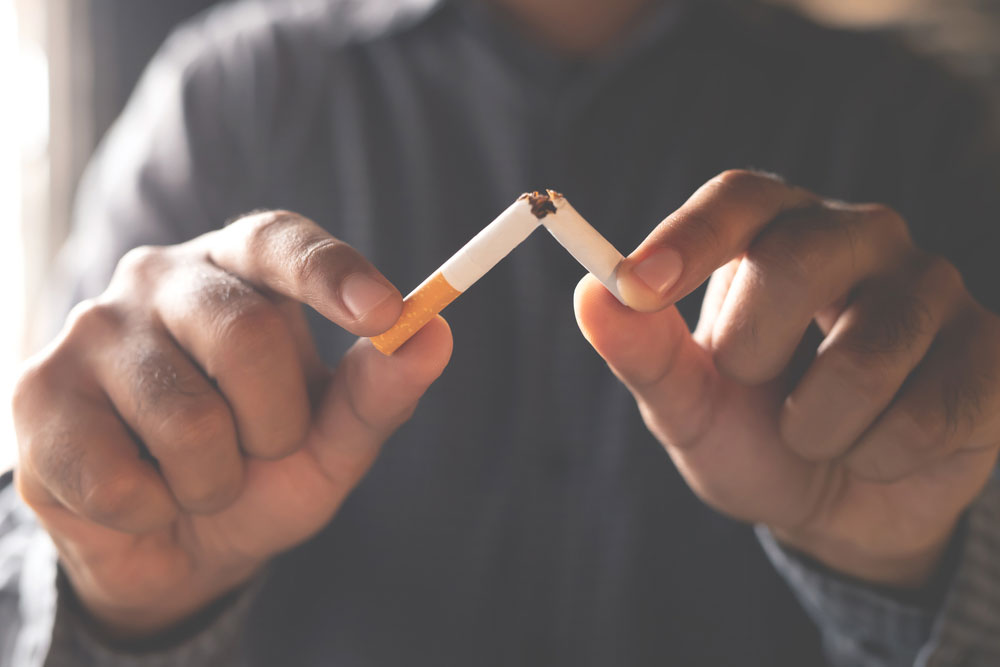
1. Set a Quit Date and Prepare
Choose a quit date within the next two weeks. Use this time to:
- Identify your smoking triggers (stress, social situations, boredom)
- Plan healthier alternatives (like chewing gum, deep breathing, or exercise)
2. Seek Support From Family or Friends
Inform your family, friends, or colleagues about your decision to quit. Emotional support can significantly improve your chances of quitting.
3. Consider Nicotine Replacement Therapy (NRT)
Options like nicotine patches, gum, lozenges, or inhalers can help reduce withdrawal symptoms.
4. Change Your Environment
Remove cigarettes, lighters, and ashtrays from your surroundings. Avoid situations where you’re tempted to smoke.
5. Reward Yourself
Track your smoke-free days and celebrate small milestones. This keeps you motivated throughout your journey.
6. Seek Professional Help
If quitting feels overwhelming, consult a healthcare professional or join a smoking cessation program. Professional guidance can significantly improve your chances of success.
Your Heart Deserves the Best Care — Take the First Step Today
Quitting smoking is not just about reducing the risk of heart disease — it’s about reclaiming your life, energy, and long-term health. Whether you’ve smoked for a few months or decades, it’s never too late to quit.
At Sterling Hospital, our team of expert cardiologists provides personalized heart care, smoking cessation support, and health guidance to help you make this life-changing decision.
✅ Book an Appointment Today and take the first step toward a smoke-free, healthier heart.
Contact Us:
- 📞 Call Now: +91 8141 13 11 53
- 🌐 Book a Visit: www.nxtusclinic.org
- 📧 Email: [email protected]
- Chat Now: Whatsapp Chat