







Ventilator Specialist Ahmedabad: Dr. Maunil Shah’s Breakthroughs in ARDS & Sepsis Care
February 4, 2025
Comprehensive Guide to Diabetes Treatment in Ahmedabad
February 4, 2025
Experiencing a medical emergency can be overwhelming, especially when it leads to a hospital stay in critical care. Understanding what to expect during this time can help reduce anxiety and prepare you and your family. In this blog post, we’ll walk you through the critical care process, explain the roles of healthcare professionals, and provide insights into the state-of-the-art facilities offered by NXTUS Clinic in Ahmedabad, led by renowned Consultant Intensivist Dr. Maunil Shah.
1. What is Critical Care?
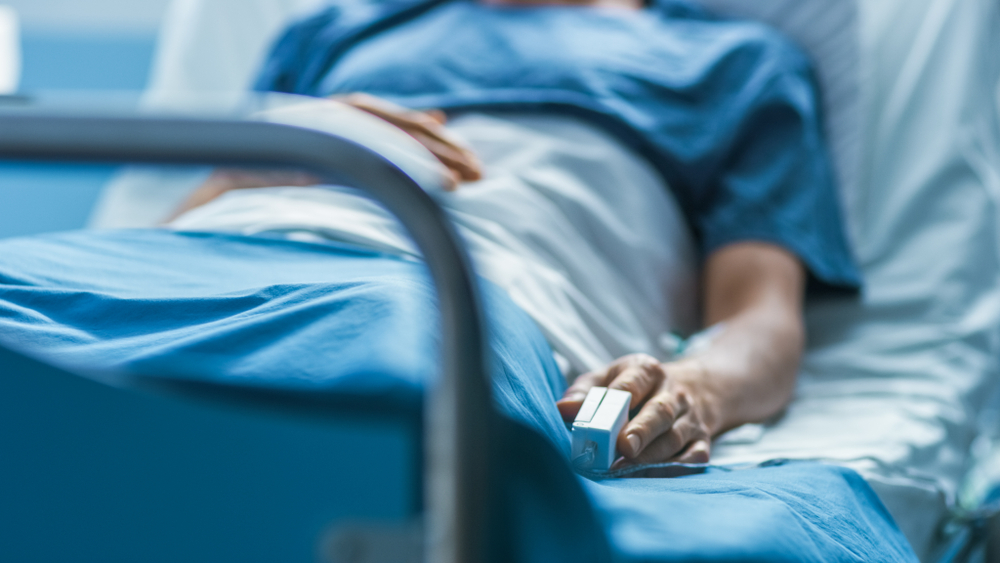
Critical care, often referred to as intensive care, is a specialized branch of healthcare dedicated to the management and treatment of patients with life-threatening conditions. This medical field focuses on providing comprehensive and continuous care for individuals whose health status is unstable or rapidly deteriorating. Critical care units are equipped with advanced technology and staffed by trained healthcare professionals who work around the clock to monitor and manage complex medical situations.
Definition of Critical Care
Critical care involves the provision of intensive medical attention and therapeutic interventions for patients with severe illnesses or injuries. It encompasses a range of procedures and therapies designed to stabilize patients, support vital organ functions, and prevent complications. The goal of critical care is to ensure that patients receive prompt and effective treatment while minimizing the risk of mortality or serious long-term health consequences.
In critical care settings, healthcare teams employ advanced monitoring techniques, complex medical equipment, and specialized treatments tailored to the individual needs of each patient. Care is often delivered in an intensive care unit (ICU) or similar environments where patients can be closely observed and managed 24/7.
Common Conditions Treated in Critical Care
Critical care encompasses a wide range of medical conditions that require intensive monitoring and specialized interventions. Some common conditions treated in critical care settings include:
- Severe Respiratory Issues: Conditions such as acute respiratory distress syndrome (ARDS), pneumonia, and chronic obstructive pulmonary disease (COPD) exacerbations can lead to respiratory failure. Patients may require mechanical ventilation and close monitoring of their respiratory status to manage these life-threatening situations.
- Cardiac Problems: Critical care units routinely manage patients with severe cardiac issues, including myocardial infarction (heart attack), heart failure, and arrhythmias. Intensive monitoring and interventions may include the use of intravenous medications, cardiac support devices, and frequent imaging studies to assess heart function.
- Trauma: Patients who have sustained significant injuries from accidents, falls, or violence often require intensive care to stabilize their condition. This may involve advanced monitoring and surgical interventions to manage internal bleeding, fractures, and other complications resulting from traumatic injuries.
- Sepsis and Infections: Sepsis is a life-threatening response to infection that can lead to multi-organ failure. Patients with severe infections require aggressive treatment, including intravenous antibiotics, fluid resuscitation, and monitoring for signs of organ dysfunction.
Providing comprehensive care for these complex conditions is crucial in critical care settings, as the timely and coordinated response of the healthcare team can significantly impact patient outcomes and recovery.
2. Understanding the Critical Care Unit (CCU)
When a patient is admitted to a hospital for critical care, they are typically placed in a specialized unit designed to provide intensive monitoring and treatment for life-threatening conditions. The Critical Care Unit (CCU) is meticulously structured to ensure optimal patient care, safety, and comfort while maximizing the effectiveness of advanced medical interventions.
Environment of the Critical Care Unit
The layout of a critical care unit is intentionally designed to facilitate efficient patient monitoring and quick access to necessary resources.
- Open Floor Plan: Many CCUs feature a semi-open layout that allows nursing staff and medical professionals to maintain close visual contact with all patients. This enhances the ability to respond swiftly to any changes in a patient’s condition.
- Patient Rooms: These units often consist of private or shared patient rooms, each equipped with specialized monitoring capabilities. The rooms are designed to accommodate various medical equipment while ensuring a safe and sterile environment.
- Nursing Stations: Centralized nursing stations are strategically positioned within the unit, allowing nurses and doctors to maintain constant observation of patients. Each station is equipped with computers and communication devices to facilitate real-time updates on patient status, lab results, and other vital information.
- Family Areas: Some CCUs include designated waiting areas for family members, equipped with seating and resources to help loved ones stay informed and comfortable during critical moments.
Equipment in the Critical Care Unit
The CCU is home to advanced medical equipment specifically designed to monitor and support critically ill patients. Some of the essential types of equipment you can expect to find include:
- Heart Monitors: These devices continuously track patients’ heart rates, rhythms, and other vital signs, allowing for real-time assessment of cardiac function. Alerts are triggered for any abnormalities, enabling rapid medical intervention.
- Ventilators: Patients with respiratory failure or severe breathing difficulties may require mechanical ventilation to assist with or take over their breathing. Ventilators are sophisticated machines that deliver oxygen and remove carbon dioxide, allowing healthcare teams to monitor and adjust ventilation settings according to individual needs.
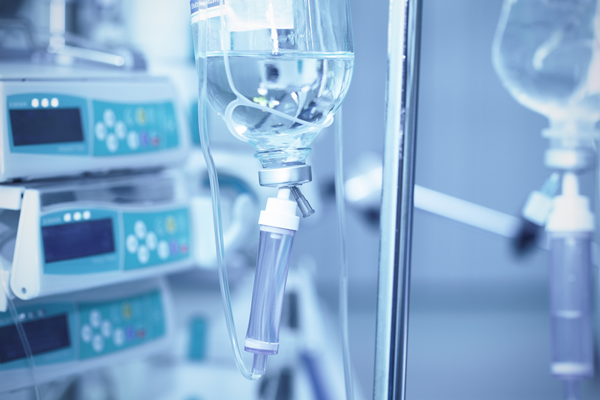
- Infusion Pumps: These devices administer medications, fluids, and nutrients intravenously with precise control over dosage and flow rates. This is essential for delivering life-saving treatments and maintaining electrolyte balance in critically ill patients.
- Suction Devices: For patients with compromised airway clearance, suction devices are used to remove secretions from the airways, maintaining patency and preventing respiratory complications.
- Monitoring Equipment: Additional monitoring tools, such as pulse oximeters, blood pressure monitors, and multi-parameter monitors, provide continuous data on patients’ overall health and help clinicians make informed decisions about treatment options.
Overall, the environment and equipment within the Critical Care Unit are designed to provide the highest level of care for patients facing severe health challenges. The combination of specialized setups, advanced technology, and skilled medical staff creates an atmosphere focused on achieving the best possible outcomes for critically ill patients.
3. The Role of Healthcare Professionals in Critical Care
In a critical care setting, a dedicated team works around the clock to ensure optimal care. This section details:
Consultant Intensivist:
In the high-pressure environment of a critical care unit, the expertise of a consultant intensivist like Dr. Maunil Shah is invaluable. As a leading figure in critical care, Dr. Shah brings a wealth of experience and knowledge to the table, ensuring that patients receive the most effective care possible.
Expertise in Critical Care
Dr. Maunil Shah is an accomplished consultant intensivist with a deep understanding of critical care medicine. He has spent years honing his skills in managing complex cases, from acute respiratory distress syndrome to multi-organ failure. His expertise extends to the latest advancements in critical care, including ventilator management, cardiac support, and renal replacement therapy.
Key Responsibilities of an Intensivist
As a consultant intensivist, Dr. Maunil Shah plays a multifaceted role in patient care. Some of his key responsibilities include:
- Clinical Decision Making: Dr. Shah takes charge of making crucial decisions regarding patient treatment, working closely with other healthcare professionals to ensure that the best possible course of action is taken.
- Multidisciplinary Collaboration: He collaborates with other specialists, including surgeons, anesthesiologists, and nurses, to coordinate patient care and ensure seamless transitions between departments.
- Patient Education: Dr. Shah educates patients and their families about their condition, treatment options, and prognosis, providing emotional support and guidance throughout the critical care journey.
- Research and Education: He stays updated on the latest research and advancements in critical care, contributing to the development of new treatments and protocols.

Nurses and Support Staff:
The nursing staff at NXTUS Clinic play a vital role in the critical care unit, providing round-the-clock monitoring and care to patients. Our nurses undergo specialized training in critical care, equipping them with the skills to handle life-threatening conditions and complex medical equipment.
Continuous Monitoring and Care
Our nursing staff perform continuous monitoring of patients’ vital signs, lab results, and medical equipment, enabling them to respond quickly to any changes in a patient’s condition. They work closely with Dr. Maunil Shah and other healthcare professionals to ensure that patients receive tailored care, from administering medications to providing emotional support to patients and their families.
Multidisciplinary Approach: Collaborative Care for Optimal Outcomes
At NXTUS Clinic, we believe that a multidisciplinary approach is essential for delivering comprehensive critical care. Our team of specialists works together to provide patients with a holistic treatment plan, addressing their physical, emotional, and nutritional needs.
Collaboration with Specialists
Our multidisciplinary team includes:
- Respiratory Therapists: Providing expertise in ventilator management and respiratory care.
- Physical Therapists: Helping patients regain mobility and strength through tailored exercise programs.
- Nutritionists: Ensuring patients receive optimal nutrition to support their recovery.
- Other Specialists: Including cardiologists, neurologists, and surgeons, who contribute their expertise to patient care as needed.
By working together, our team provides seamless care, ensures timely interventions, and optimizes patient outcomes. This collaborative approach enables us to address the complex needs of critically ill patients, providing them with the best possible chance of recovery.
4. What to Expect During Your Hospital Stay
Understanding the hospital experience can significantly reduce anxiety and help patients and their families navigate this challenging time. This section provides an overview of what to expect during a hospital stay in a Critical Care Unit (CCU), including the admission process, monitoring and treatment protocols, and visitor policies.
Admission Process
- Arrival: Upon arriving at the hospital, patients will typically be directed to the emergency department (unless they are already being transferred from another facility). Medical staff will assess the patient’s condition and determine the urgency of care needed.
- Initial Assessment: Once in the emergency department or surgical unit, healthcare professionals will conduct a thorough examination. This often includes vital sign checks, a review of medical history, and diagnostic tests such as blood work or imaging studies to evaluate the severity of the patient’s condition.
- Admission to the CCU: If the medical team determines that the patient requires critical care, they will be admitted to the CCU. This process includes transferring the patient, where nursing staff ensure safe handling and continual monitoring during the move.
- Stabilization: Once in the CCU, the focus shifts to stabilizing the patient’s condition. Immediate treatment may be initiated, including the establishment of intravenous lines, medication administration, and placement on monitoring equipment. The healthcare team will work diligently to ensure the patient is stable and comfortable.
Monitoring and Treatment
- Continuous Assessment: In the CCU, patients receive around-the-clock monitoring. Nurses and medical staff routinely check vital signs, including heart rate, blood pressure, respiratory rate, and oxygen levels. This continuous assessment helps detect any changes in the patient’s condition.
- Individualized Treatment Plans: Based on the patient’s diagnosis and needs, a personalized treatment plan is developed. This may involve a combination of therapies, including medication administration (both orally and intravenously), oxygen support, mechanical ventilation, and other specialized interventions.
- Regular Interventions: Patients may undergo various treatments, from pain management and sedation to procedures like dialysis or cardiac catheterization. Healthcare providers collaborate to ensure that treatments are coordinated effectively, adjusting them as needed based on ongoing assessments.
- Multidisciplinary Care: Critical care often involves a multidisciplinary team, including physicians, nurses, respiratory therapists, pharmacists, and nutritionists. This collaborative approach ensures comprehensive care that addresses all aspects of the patient’s health, from physical to emotional needs.
Visitor Policies
- Visiting Hours: Visitor policies in the CCU may vary by hospital, but most facilities have designated visiting hours to ensure a balance between patient care and family support. Typically, visits may be allowed at certain times of the day. It is recommended to check with the specific hospital for their guidelines.
- Family Involvement: Families play a crucial role in the recovery process, and many CCUs encourage family involvement. Family members can often speak with the healthcare team about their loved one’s condition, ask questions, and participate in care decisions when appropriate.
- Visitor Guidelines: Due to the nature of critical care, there may be restrictions on the number of visitors and the length of visits. Additionally, policies may be in place to limit visits during certain procedures or when patients need privacy. It is vital for visitors to follow these guidelines to ensure a conducive environment for patient recovery.
In summary, being informed about the admission process, monitoring and treatment procedures, and visitor policies can make a hospital stay in the Critical Care Unit smoother and more manageable for both patients and their families. Knowing what to expect helps reduce anxiety and fosters a more supportive atmosphere during this challenging time.
5. Communication with Your Care Team
In the Critical Care Unit (CCU), effective communication between patients, families, and the healthcare team is crucial for ensuring the best possible care and outcomes. Open and honest communication helps to build trust, address concerns, and facilitate informed decision-making. This section emphasizes the importance of asking questions and understanding treatment options, key components of effective communication in critical care.
Asking Questions
Asking questions is an essential part of the communication process in the CCU. Patients and their families should feel empowered to inquire about any aspect of care, from the patient’s condition and treatment plans to procedural explanations and medication regimens.
- Why Ask Questions? Asking questions helps clarify information, alleviates concerns, and ensures that patients and families are well-informed about the care being provided. It’s an opportunity to understand the reasoning behind certain treatments or interventions and to express preferences or values that might influence care decisions.
- What to Ask: Some examples of questions to ask include:
- What is the patient’s current condition, and what are the primary concerns?
- What are the treatment goals, and how will they be achieved?
- What procedures or interventions are planned, and what are the potential risks and benefits?
- How will pain and discomfort be managed?
- What role can family members play in the patient’s care and recovery?
- What are the next steps in care, and what can be expected in the coming days or weeks?
- When to Ask: Patients and families should not hesitate to ask questions at any time. This can be during daily rounds with the healthcare team, when new treatments are discussed, or whenever concerns arise. Many hospitals also have patient advocates or social workers who can facilitate communication and answer questions.
Understanding Treatment Options
Being informed about treatment options is fundamental to making decisions that align with a patient’s values, preferences, and best interests. Understanding treatment options involves discussing the potential benefits and risks of different interventions, considering the patient’s current health status and prognosis, and evaluating the impact of treatments on quality of life.
- Importance of Informed Decision-Making: Informed decision-making ensures that care is patient-centered, respecting the autonomy and dignity of the individual. It involves a collaborative approach between the patient (or their surrogate decision-maker), the family, and the healthcare team to select treatments that are in the best interest of the patient.
- Discussing Treatment Options: When discussing treatment options, the healthcare team should provide clear, unbiased information about the potential outcomes of different choices. This includes explaining:
- The nature of the treatment or procedure
- The potential benefits and risks
- The likelihood of success
- Alternative options, including the choice of no treatment
- How the treatment aligns with the patient’s goals and values
- Shared Decision-Making: Shared decision-making is a process where healthcare providers and patients (or their families) work together to make decisions. This approach considers the latest evidence, the patient’s preferences, and their individual circumstances to select the most appropriate care plan.
In conclusion, effective communication is the cornerstone of high-quality care in the Critical Care Unit. By encouraging patients and families to ask questions and by ensuring they understand treatment options, the healthcare team can provide care that is not only medically appropriate but also respectful of the patient’s autonomy and values. Open communication fosters a collaborative environment, leading to better outcomes and a more satisfying experience for all involved.
6. Preparing for Discharge
As patients transition from the hospital to their homes, preparing for discharge is a critical step in the recovery process. This phase is essential not only for ensuring continued healing but also for facilitating a smooth integration back into daily life. This section outlines what patients and families can expect during the transition to home care and highlights the resources available through NXTUS Clinic to support their post-discharge journey.
Transition to Home Care
- Follow-Up Appointments: After discharge, patients will typically have scheduled follow-up appointments with their primary care provider or specialists. These visits are essential for monitoring recovery progress, managing ongoing treatment plans, and addressing any emerging health concerns. It is important for patients to keep these appointments and communicate any symptoms or issues they may experience.
- Home Health Care Services: Depending on individual needs, some patients may require home health care services. This could involve skilled nursing visits for wound care, medication management, or physical therapy to aid in recovery. The healthcare team will discuss the arrangements for these services prior to discharge, ensuring that patients understand what to expect.
- Medication Management: Properly managing medications after leaving the hospital is crucial. Patients will receive a list of prescribed medications, including dosages and administration instructions. It is important to understand the reasons for each medication, potential side effects, and how to properly manage them. Patients and families are encouraged to ask questions about the medications and ensure they know how to refill prescriptions if needed.
- Lifestyle Adjustments: Transitioning to home care may require some lifestyle adjustments. Patients are encouraged to discuss any necessary changes with their care team, including diet modifications, activity restrictions, and how to gradually resume daily activities. Education on how to recognize potential complications or signs of distress is also vital for effective recovery.
- Support Systems: Patients should identify their support systems before leaving the hospital. This may include family, friends, or community resources that can assist with daily tasks, transportation to follow-up appointments, or emotional support during recovery.
Post-Discharge Resources
NXTUS Clinic is committed to ensuring a seamless transition from the hospital to home. We offer several resources and services to support patients in their recovery journey after discharge:
- Patient Education Classes: NXTUS Clinic provides educational programs that focus on post-discharge care. These classes cover a variety of topics such as medication management, nutrition, physical activity, and recognizing warning signs that may require medical attention. Engaging in these classes can empower patients with the knowledge they need for a successful recovery.
- Telehealth Services: For convenient access to care, NXTUS Clinic offers telehealth services, allowing patients to consult with their healthcare providers remotely. This is particularly beneficial for follow-up appointments, as patients may not need to travel to the clinic, which can help reduce physical stress and save time.
- Support Groups: Emotional support plays a vital role in recovery. NXTUS Clinic offers support groups for patients and families dealing with similar health challenges. These groups provide a safe space for sharing experiences, coping strategies, and encouragement.
- Care Coordination Services: Our care coordinators assist patients in navigating their follow-up care. This includes scheduling appointments, connecting with community resources, and ensuring that patients have access to the services they need for a successful recovery.
- 24/7 Health Hotline: To provide ongoing support, NXTUS Clinic offers a 24/7 health hotline where patients can call in with questions or concerns regarding their recovery. Our trained staff are available to provide guidance and reassurance.
In summary, preparing for discharge from the hospital is a significant part of the recovery process. By understanding what to expect during the transition to home care and utilizing the resources available at NXTUS Clinic, patients can feel confident and supported as they embark on their journey toward recovery. Engaging in follow-up care and taking advantage of available services will ultimately enhance health outcomes and promote a smoother reintegration into daily life.
Conclusion
Navigating the critical care process can be daunting, but understanding what to expect can make the experience less stressful. At NXTUS Clinic in Ahmedabad, we prioritize patient care and provide comprehensive support every step of the way. If you or a loved one is facing a health crisis, don’t hesitate to reach out to our team for expert guidance and treatment.
Contact us today to learn more about our critical care services led by Dr. Maunil Shah.
FAQ Critical Care: A Patient’s Guide
- Q: What is critical care, and how does it differ from regular hospital care?
- A: Critical care, also known as intensive care, provides highly specialized and intensive treatment for patients with life-threatening conditions. It differs from regular hospital care in its level of monitoring, treatment intensity, and the expertise of the healthcare team.
- Q: What conditions typically require critical care?
- A: Conditions such as severe injuries, respiratory distress, cardiac problems, and other life-threatening conditions often require critical care.
- Q: How do I know if I or a loved one needs critical care?
- A: The need for critical care is usually determined by a healthcare professional. If you’re experiencing severe symptoms or have been in an accident, seeking immediate medical attention is crucial.
- Q: What can I expect during my stay in the critical care unit?
- A: During your stay, you can expect close monitoring by a team of healthcare professionals, including doctors, nurses, and therapists. They will work together to provide the best possible care and treatment.
- Q: Can I visit my loved one in the critical care unit?
- A: Visiting policies may vary, but most hospitals allow family members to visit for short periods. It’s best to check with the hospital for their specific visiting hours and policies.
- Q: How long does a typical critical care stay last?
- A: The length of stay in critical care varies greatly depending on the condition and recovery progress of the patient. Some stays may be short, while others can be several weeks.
- Q: What role does an intensivist play in critical care?
- A: An intensivist is a doctor who specializes in the care of critically ill patients. They lead the team of healthcare professionals and make key decisions regarding patient care.
- Q: How can I prepare for the financial aspects of critical care?
- A: It’s essential to understand your health insurance coverage and any out-of-pocket costs you may incur. Discussing financial concerns with your healthcare provider or a hospital representative can help.
- Q: What services does NXTUS Clinic offer for critical care patients?
- A: At NXTUS Clinic, we offer comprehensive critical care services, including intensive monitoring, specialized treatments, and a multidisciplinary approach to patient care. Our team, led by Dr. Maunil Shah, is dedicated to providing the highest level of care.
- Q: How can I contact NXTUS Clinic for more information or to schedule a consultation?
- A: You can reach us at 8141131153 to learn more about our critical care services or to schedule a consultation with Dr. Maunil Shah and our team.